
The concept of a luxury lifestyle transcends mere material wealth; it embodies an ethos of exclusivity, sophistication, and a pursuit of the extraordinary. This report delves into the various dimensions of luxury living, examining its characteristics, the psychology behind it, and its impact on society.
At its core, a luxury lifestyle is characterized by opulence, comfort, and a high level of personal service. It encompasses a range of elements including high-end fashion, gourmet dining, luxury travel, and bespoke experiences. The luxury market has evolved significantly over the years, driven by changing consumer preferences, technological advancements, and an increasing desire for personalized experiences.
One of the most prominent aspects of luxury living is fashion. High-end brands such as Chanel, Louis Vuitton, and Gucci not only offer clothing but also a sense of identity and status. Luxury fashion is often associated with exclusivity; limited editions, haute couture, and artisanal craftsmanship elevate these items beyond mere garments. The psychological allure of luxury fashion lies in its ability to convey success and sophistication, making consumers feel part of an elite group.
In the culinary world, gourmet dining represents another facet of luxury lifestyle. Michelin-starred restaurants, celebrity chefs, and unique dining experiences create an atmosphere where food transcends sustenance and becomes an art form. The luxury dining experience often involves meticulously curated menus, exquisite presentation, and impeccable service, all contributing to an unforgettable gastronomic journey. Moreover, the rise of food tourism has led to an increased interest in culinary experiences, with travelers seeking out local delicacies and gourmet offerings as an integral part of their journeys.
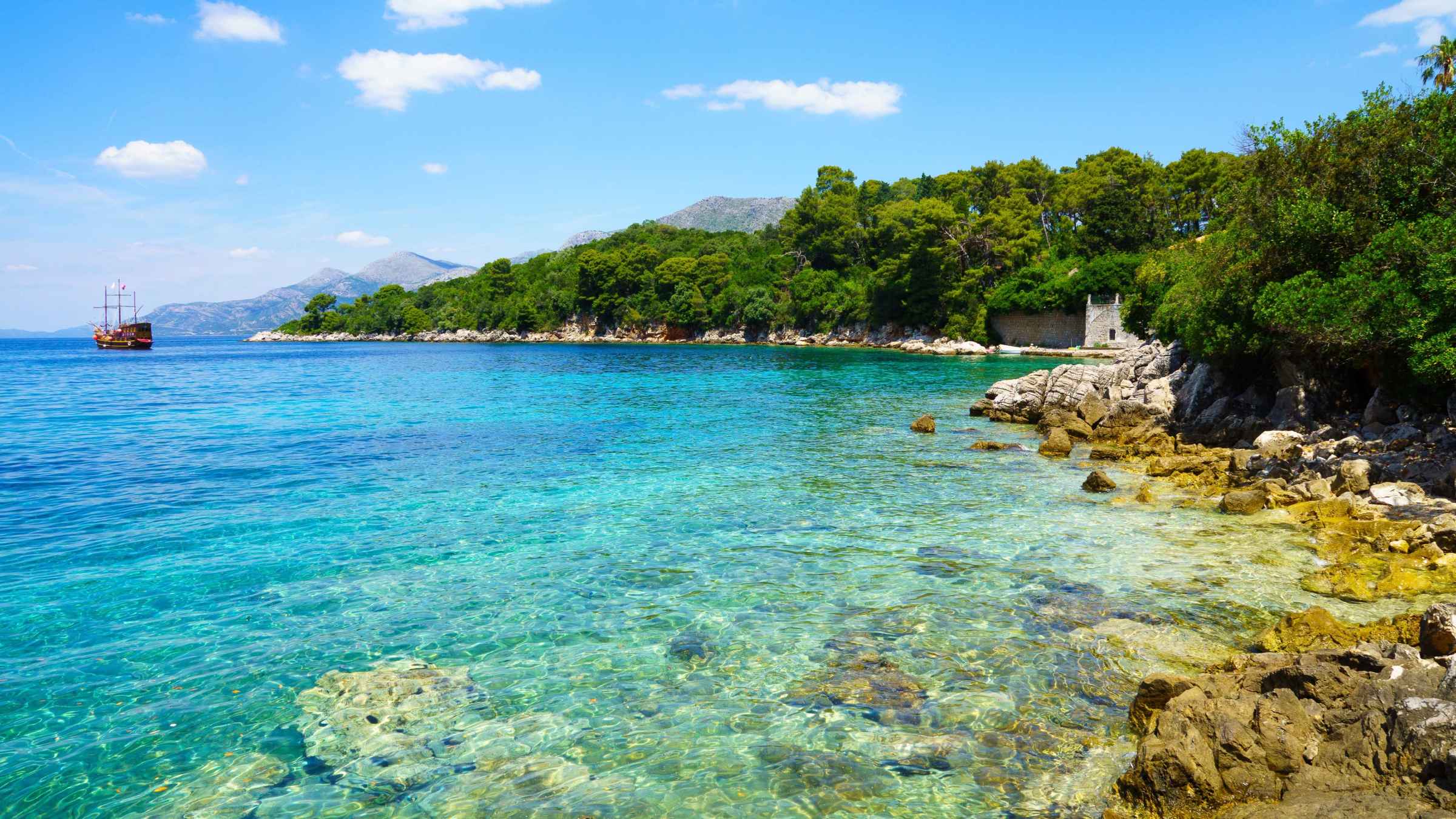
Travel is another significant component of the luxury lifestyle. The desire for unique and immersive experiences has led to a surge in luxury travel options, from private jets and yachts to exclusive resorts and villas. Destinations such as the Maldives, Monaco, and Aspen cater to affluent travelers seeking unparalleled comfort and tailored experiences. Luxury travel often includes personalized itineraries, private guides, and access to exclusive events, ensuring that every aspect of the journey is extraordinary. The trend of experiential luxury travel emphasizes creating lasting memories rather than simply visiting new places.
Wellness and self-care have also emerged as vital elements of the luxury lifestyle. High-end spas, wellness retreats, and personalized health programs reflect a growing awareness of the importance of mental and physical well-being. Luxury wellness experiences often incorporate holistic approaches, combining traditional therapies with modern techniques to promote relaxation and rejuvenation. This shift towards wellness is not just a trend; it indicates a broader societal recognition of the need for balance and self-care in an increasingly fast-paced world.
The luxury lifestyle is also deeply intertwined with technology. Smart homes equipped with the latest innovations, luxury vehicles featuring cutting-edge technology, and wearable devices that monitor health and fitness are all part of the modern luxury experience. The integration of technology into luxury living enhances convenience and personalization, allowing individuals to curate their environments and experiences to suit their preferences. Furthermore, the rise of e-commerce has transformed the luxury shopping experience, enabling consumers to access exclusive products and services from the comfort of their homes.
However, the pursuit of luxury also raises important questions about sustainability and ethical consumption. As awareness of environmental issues grows, luxury brands are increasingly held accountable for their practices. The demand for sustainable luxury has led to a rise in eco-friendly materials, ethical sourcing, and transparent supply chains. Consumers are becoming more discerning, seeking brands that align with their values and contribute positively to society. This shift represents a significant evolution in the luxury market, where exclusivity is now coupled with responsibility.
Additionally, the luxury lifestyle is often portrayed in media and popular culture, influencing perceptions and aspirations. Films, television shows, and social media platforms showcase the lavish lives of the wealthy, creating a desire for similar experiences among the masses. Influencers and celebrities play a crucial role in shaping trends and promoting luxury brands, https://www.freshandfearless.co.uk/the-discerning-travelers-guide-to-the-best-casino-destinations-in-the-elaphiti-islands/ making luxury lifestyle more accessible to a broader audience. However, this portrayal can sometimes lead to unrealistic expectations and a superficial understanding of what luxury truly entails.
In conclusion, the luxury lifestyle is a multifaceted phenomenon that encompasses fashion, dining, travel, wellness, and technology. It represents a quest for exceptional experiences and a desire for personal expression. As the luxury market continues to evolve, it must navigate the challenges of sustainability and ethical consumption while maintaining its allure. Ultimately, the luxury lifestyle is not just about material possessions; it is about the pursuit of beauty, quality, and meaningful experiences that enrich our lives.
